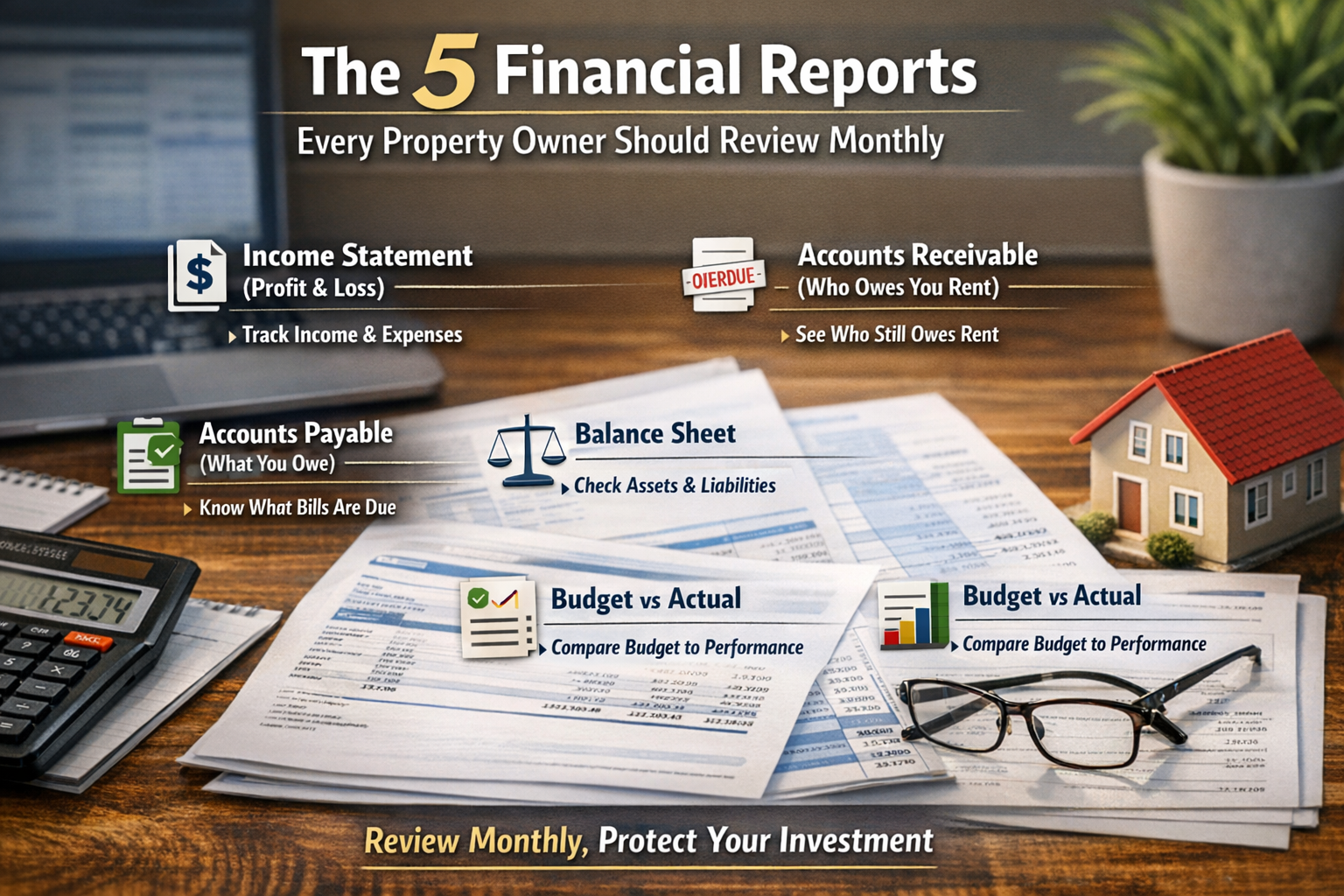
The 5 Financial Reports Every Property Owner Should Review Monthly
Most property owners don’t lose money overnight. They lose it slowly, by not reviewing the right reports regularly . …

Most accounting problems don’t start with taxes.
They start with misclassifications.
On the surface, everything looks fine:
👉 But the numbers aren’t accurate and profit isn’t real.
That’s what makes misclassifications so dangerous.
They don’t always break the books.
👉 They quietly distort them.
➡️ What “balanced” actually means (and what it doesn’t)
Balanced only means debits equal credits.
👉 It does not mean the numbers reflect reality.
When transactions are misclassified:
👉 The result is financials that technically balance but tell the wrong story.
➡️ Why this becomes a profit problem
When the story is wrong, decisions are wrong.
👉 Profit looks higher (or lower) than it truly is.
👉 Margins don’t make sense.
👉 Cash flow feels confusing.
By the time tax season arrives, what looks like a “tax problem” is usually an accounting accuracy problem that started months earlier.
➡️ The real fix
This is why I focus on clean, intentional classification first —
before tax strategy, growth decisions, or cash flow fixes.
👉 Profit can’t be improved until it’s actually accurate.
If your books “balance” but your numbers don’t make sense, it’s time to take a closer look.